ORGANIC FARMING
Organic Farming is a method of agriculture that uses natural inputs like compost, manure, organic fertilizers and biofertilizers to grow crops, while avoiding synthetic fertilizers, pesticides, in order to maintain soil health and environmental balance. Organic farming feeds the soil, which feeds the plant, which feeds the person — all without breaking the natural cycle. It is important because it balances productivity, environmental care, and human health, making it a key approach for sustainable agriculture.
“Organic farming is not a Trend; it’s a return to the roots of Agriculture.”
Organic farming in India, supported by the use of organic fertilizers, is a sustainable approach that protects soil health, biodiversity, and human well-being. With increasing demand for chemical-free food, it is becoming an important part of India's agricultural future. Organic farming is officially defined and regulated under the National Programme for Organic Production (NPOP), which sets the standards that farms must meet to be certified and labelled as organic.
☘️ KEY FEATURES OF ORGANIC FARMING
• Natural inputs only: Uses compost, manure, organic fertilizers and biofertilizers instead of chemical fertilizers.
• Eco-friendly pest control: Relies on natural predators, crop rotation, and botanical extracts.
• Soil health focus: Practices like green manuring and cover cropping improve fertility.
• Biodiversity conservation: Encourages diverse crops and living organisms in the ecosystem.
• Sustainable practices: Reduces pollution and conserves water and soil.
BENEFITS OF ORGANIC FARMING
• Healthier food: Free from harmful chemical residues.
• Improved soil fertility: Enhances organic matter and microbial activity.
• Environmental protection: Reduces soil degradation, water pollution, and air contamination.
• Economic opportunities: Organic products often fetch higher market prices.
🌿 IMPORTANCE OF ORGANIC FARMING
• Sustainable agriculture: Ensures long-term productivity without harming natural resources.
• Food safety: Provides safer and more nutritious food for consumers.
• Environmental conservation: Protects ecosystems, wildlife, and soil health.
• Farmer well-being: Reduces exposure to toxic chemicals.
• Future food security: Maintains fertile land for coming generations.
ORGANIC FERTILIZERS
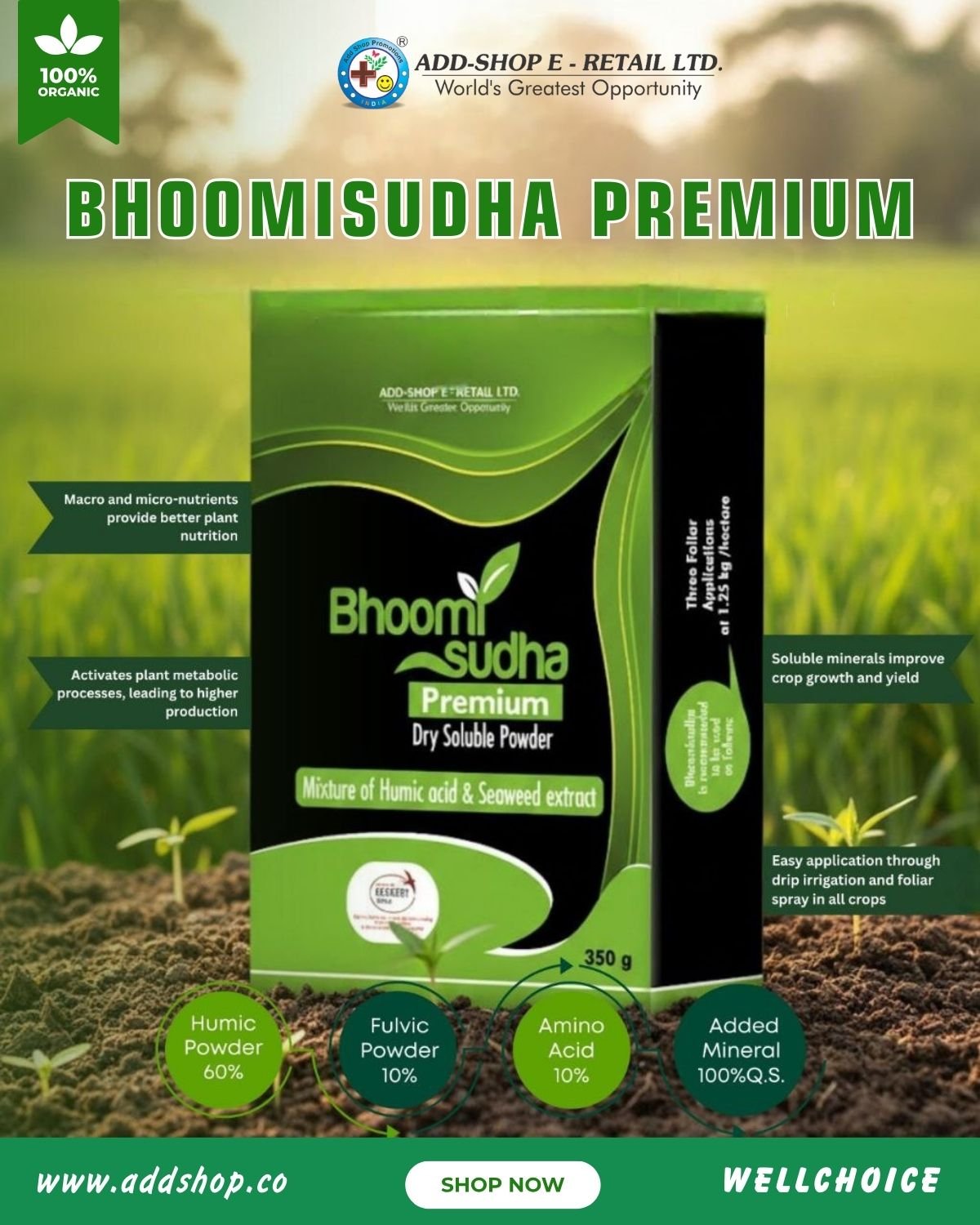
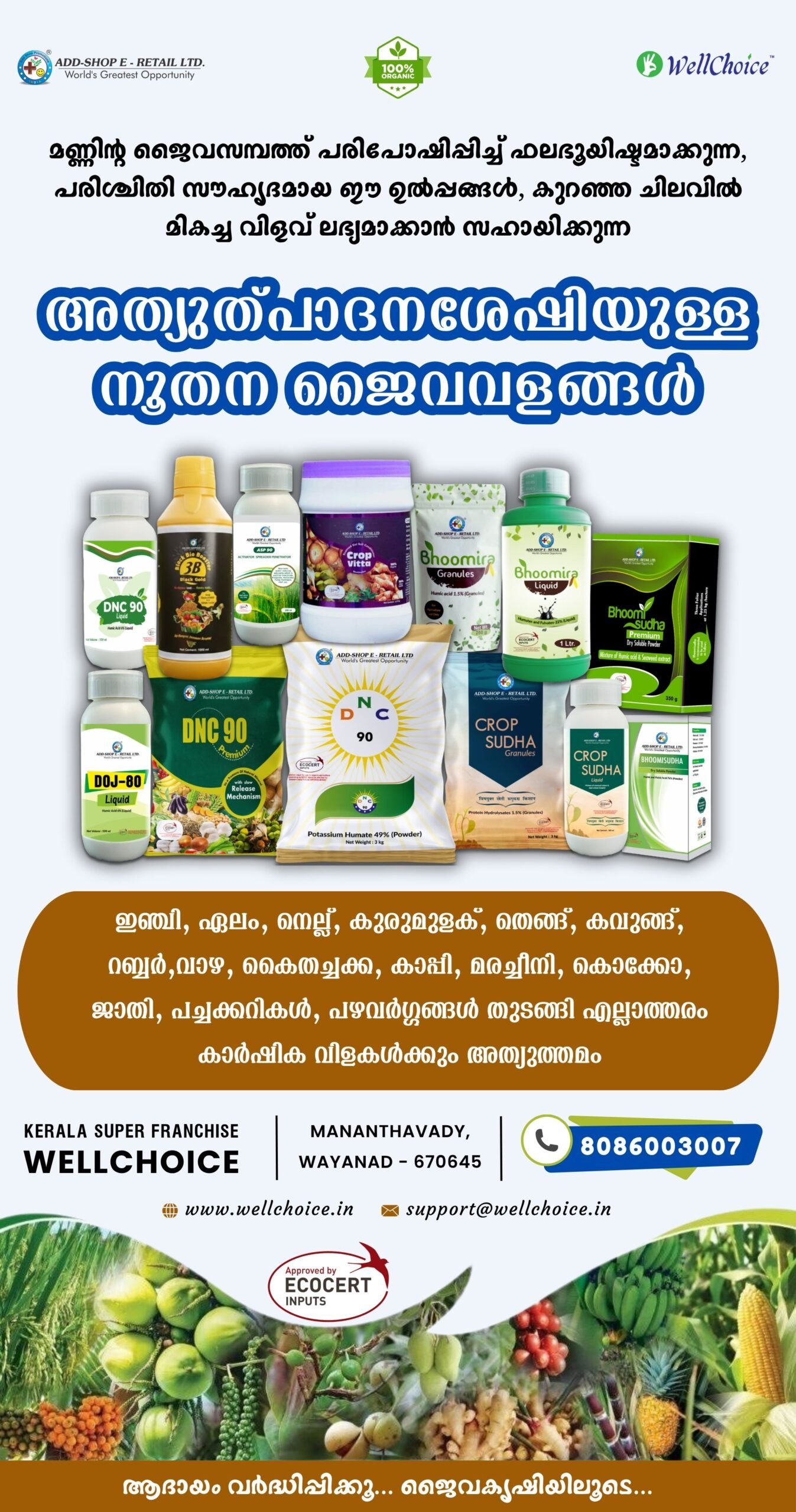
Organic Fertilizers are natural substances derived from plant, animal, or microbial sources that are used to supply nutrients to crops and improve soil fertility, without using synthetic chemicals. Organic fertilizers are important because they nourish the soil naturally, improve long-term productivity, and support environmentally friendly farming. Organic farming with organic fertilizers is a sustainable method of agriculture where crops are grown using natural inputs.
“Healthy soil is the foundation of all life, and organic fertilizers keep it alive”
☘️ KEY FEATURES OF ORGANIC FERTILIZERS
• Natural origin : Made from plant waste, animal manure, or microorganisms
• Increases water-holding capacity : Drought resilience and reducing irrigation needs
• Improves soil structure : Enhances aeration and water-holding capacity
• Rich in organic matter : Increases humus content in soil
• Non-toxic and chemical-free : Biodegradable and non-polluting
• Reduces leaching and runoff : Bind to soil particles rather than washing away with rain
• Low-cost : Most of them are cost effective while comparing to synthetic products.
• Boosts soil microbial activity : Promotes beneficial microbes and earthworms
🌿 IMPORTANCE OF ORGANIC FERTILIZERS
• Sustainable agriculture: Maintains soil health for future generations
• Environmental protection: Prevents pollution caused by chemical fertilizers
• Maintains ecological balance: Supports biodiversity in soil and surroundings
• Reduces dependency on chemicals: Encourages natural farming methods
• Improves food quality: Produces healthier, chemical-free crops