"Grow Green, Live Clean: Choose Organic..!"
Organic Farming is a method of agriculture that uses natural inputs like compost, manure, organic fertilizers and biofertilizers to grow crops, while avoiding synthetic fertilizers, pesticides, in order to maintain soil health and environmental balance. Organic farming feeds the soil, which feeds the plant, which feeds the person — all without breaking the natural cycle. It is important because it balances productivity, environmental care, and human health, making it a key approach for sustainable agriculture.
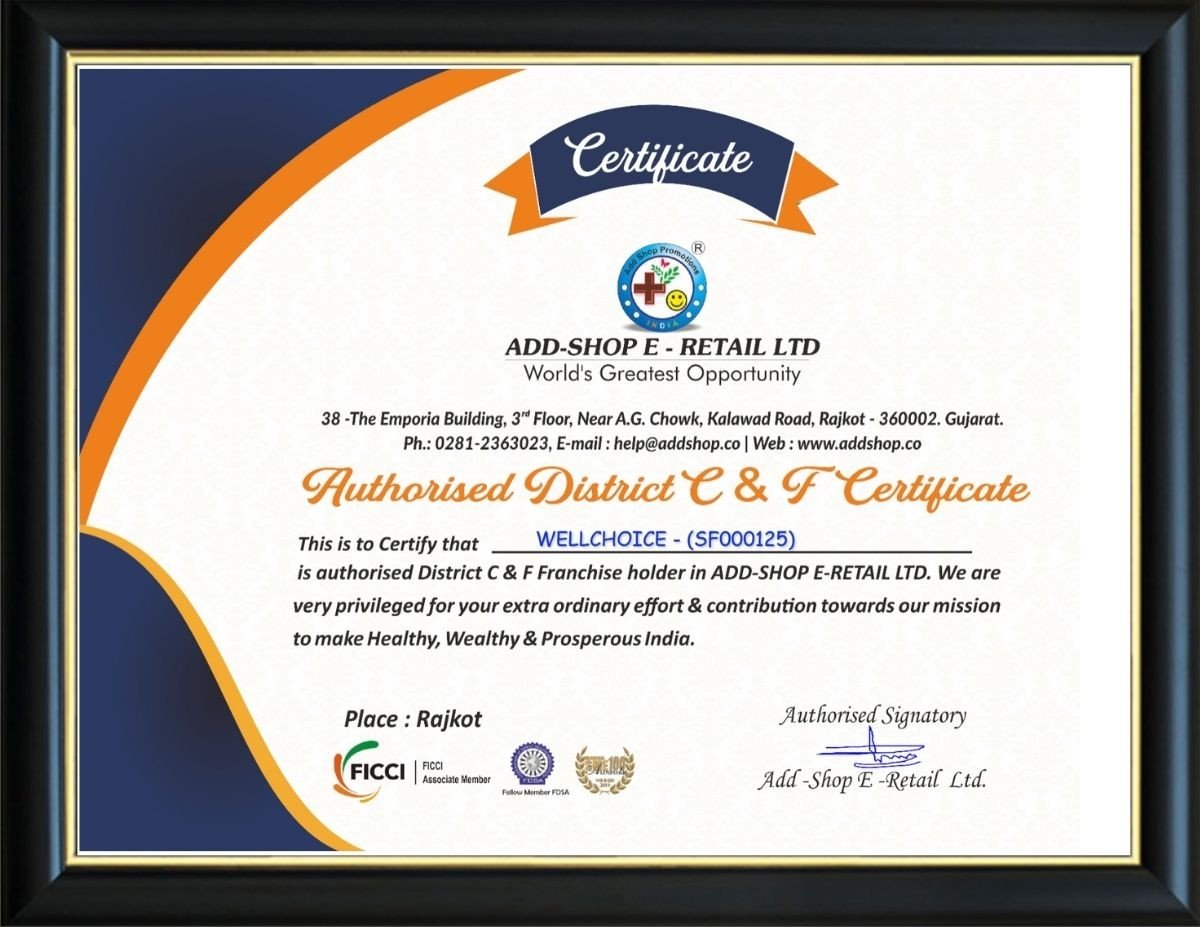
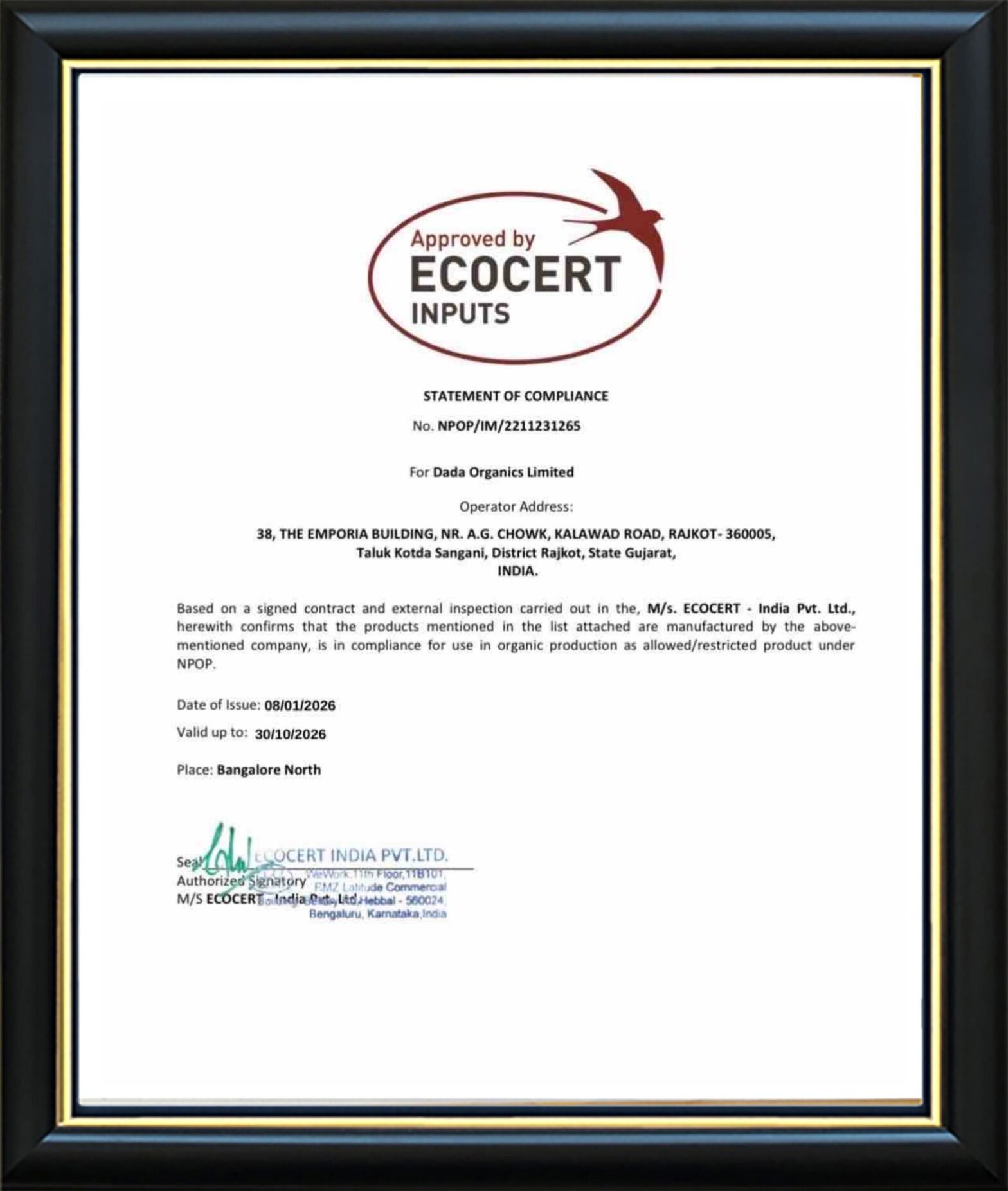
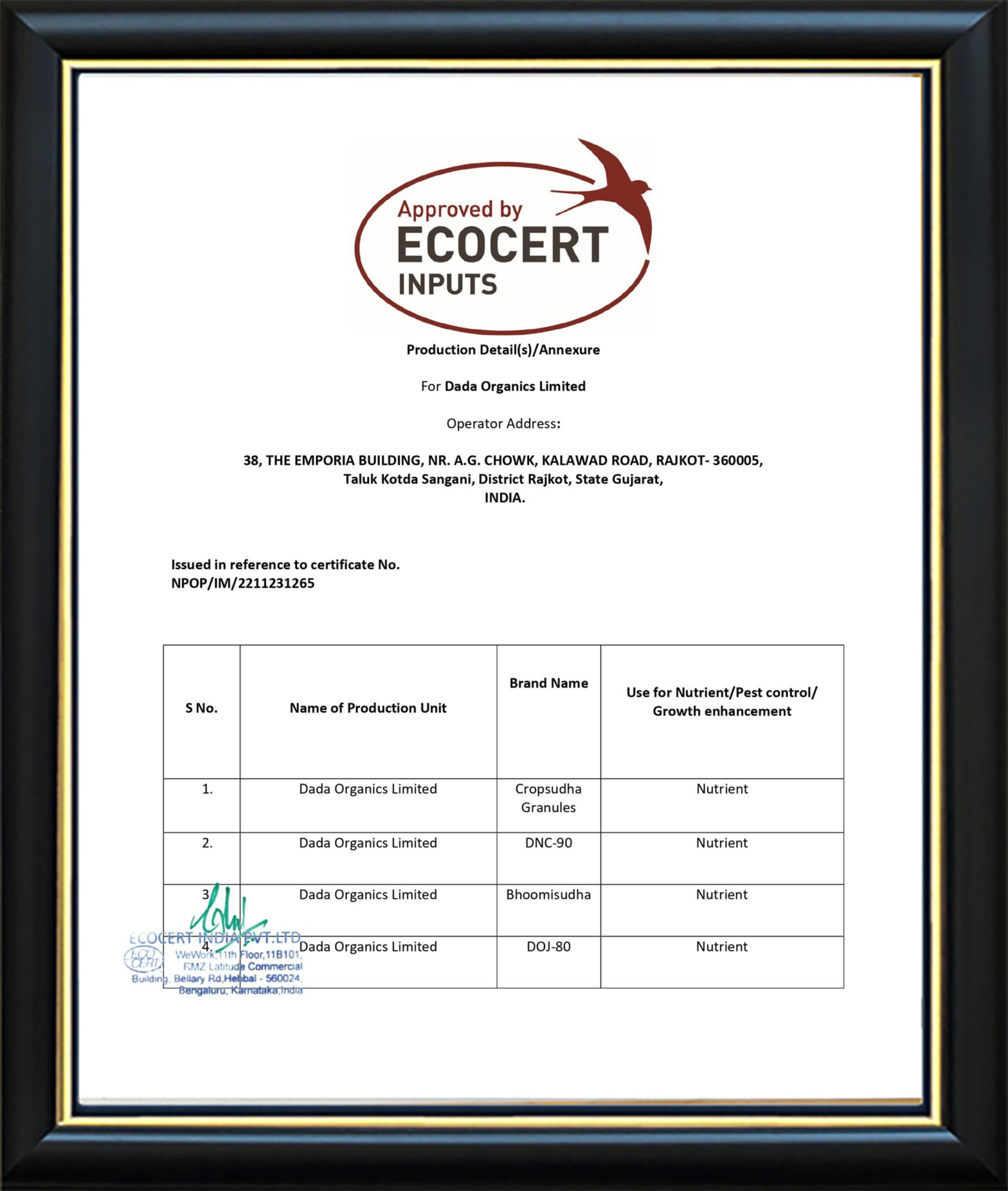
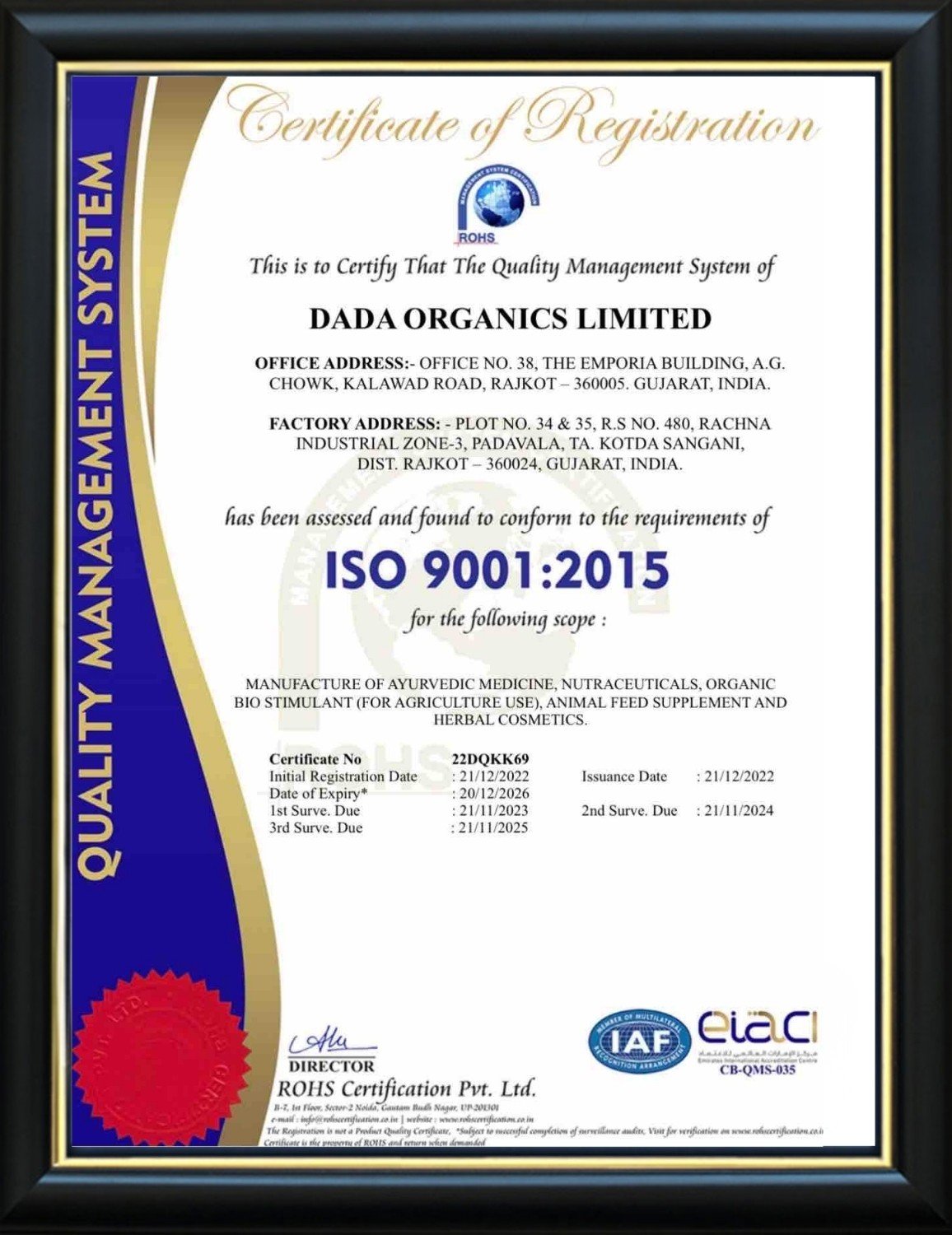
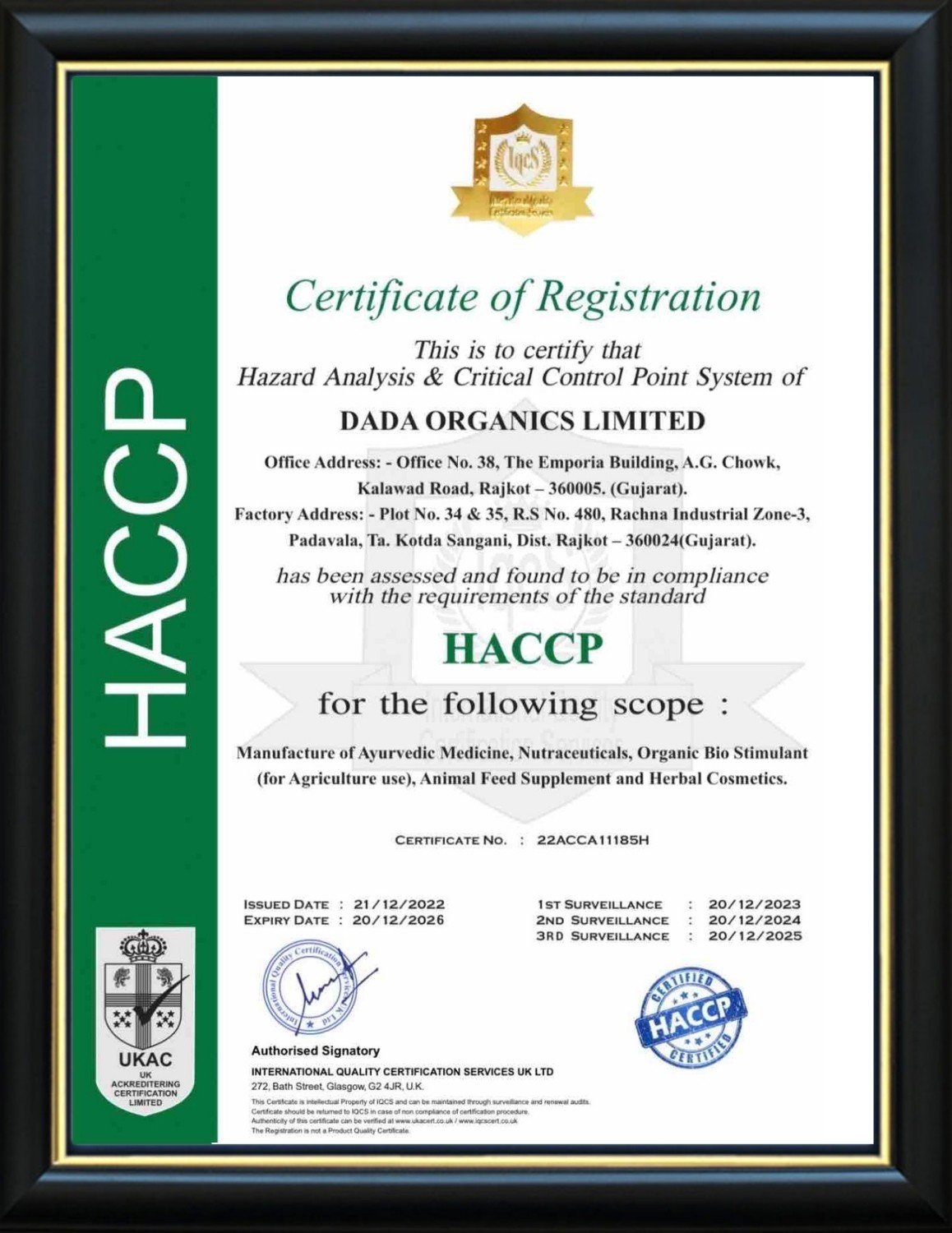
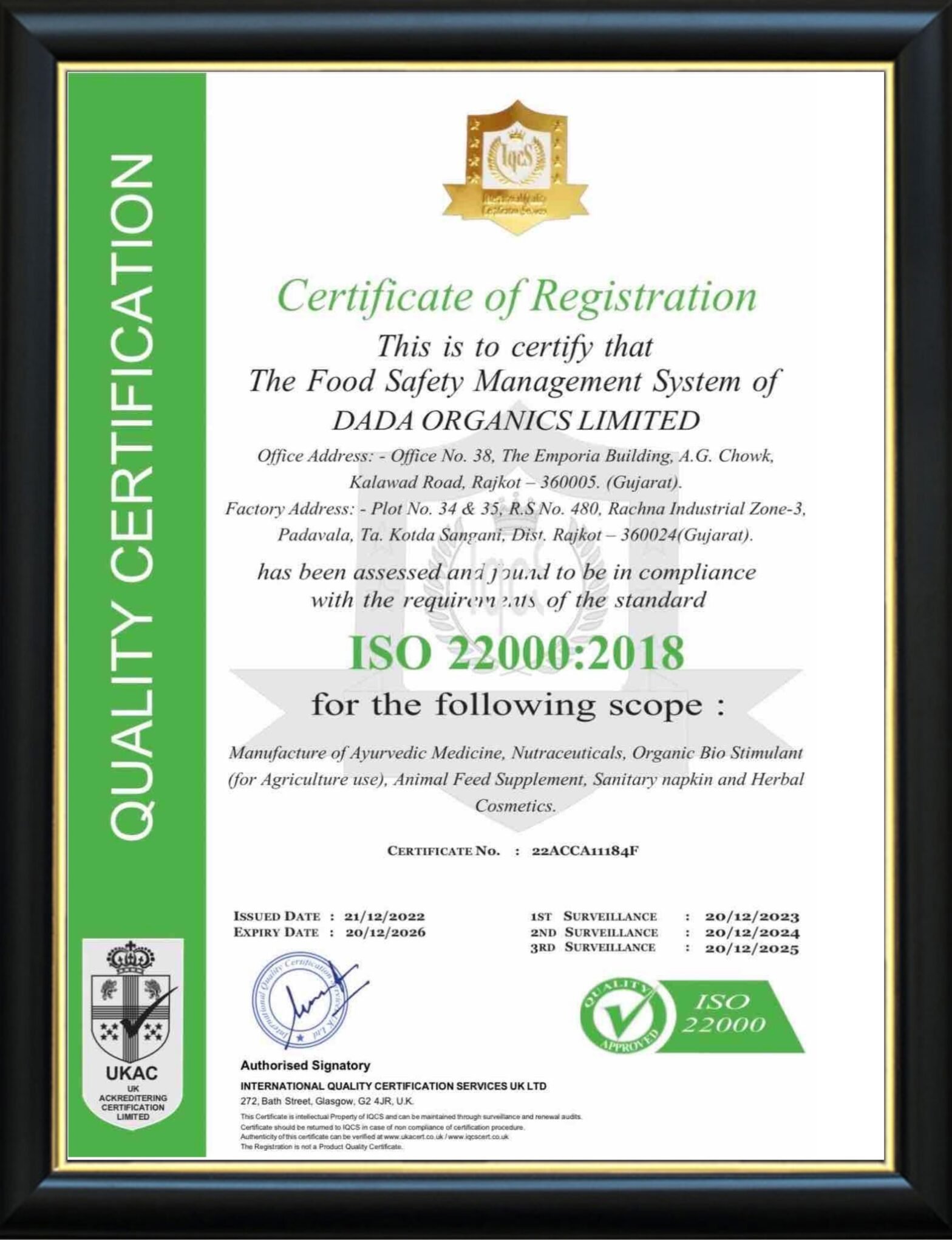
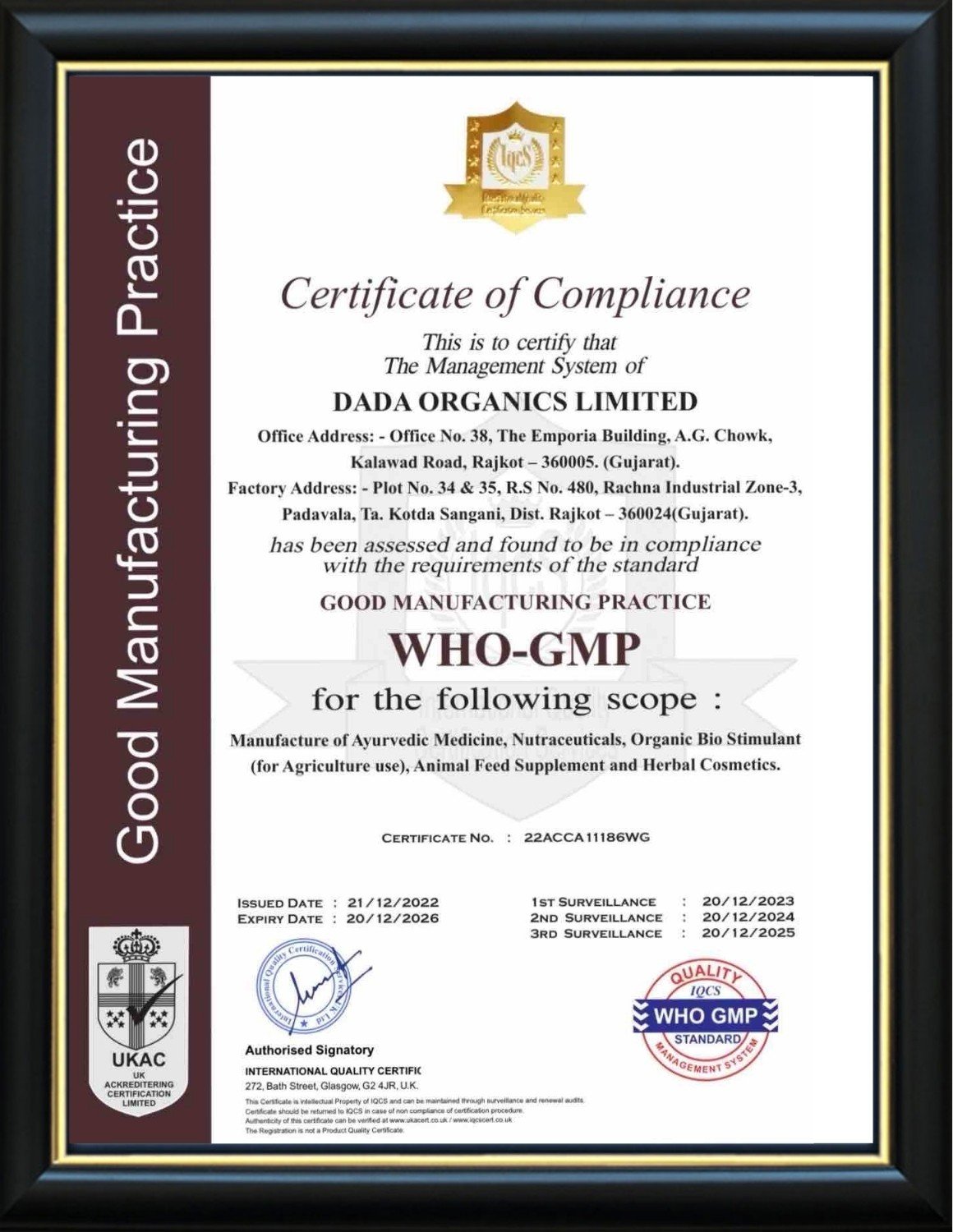
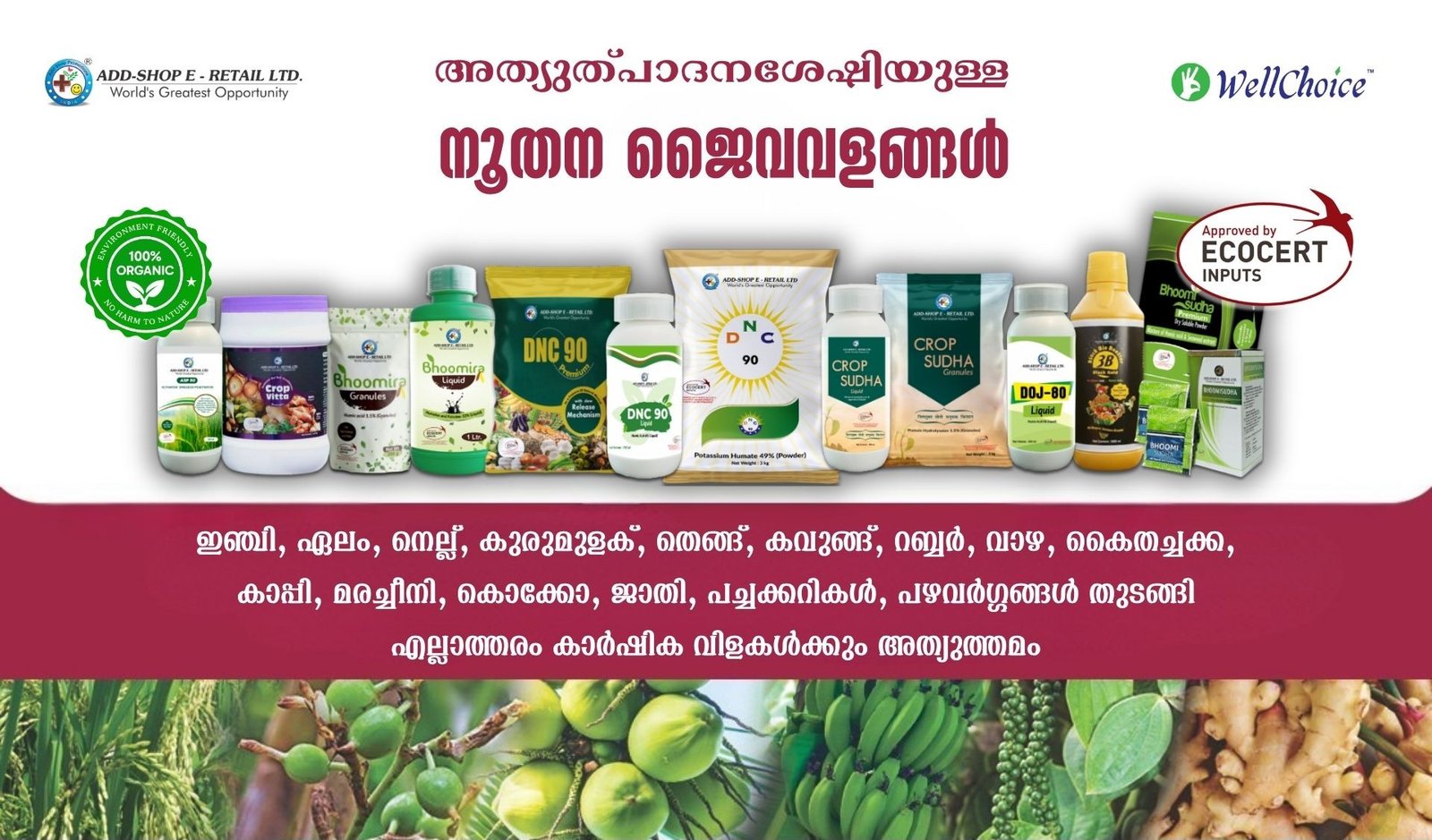
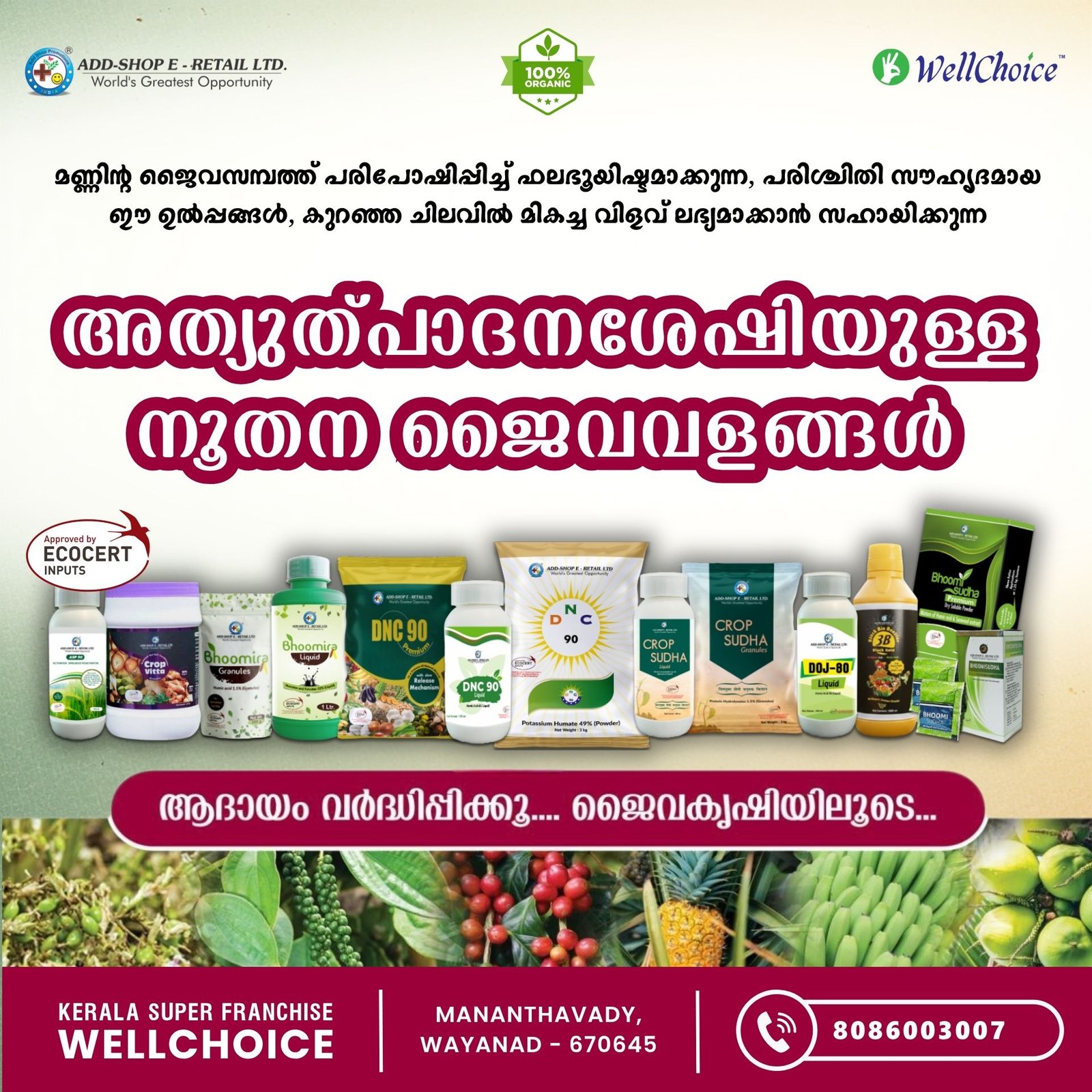
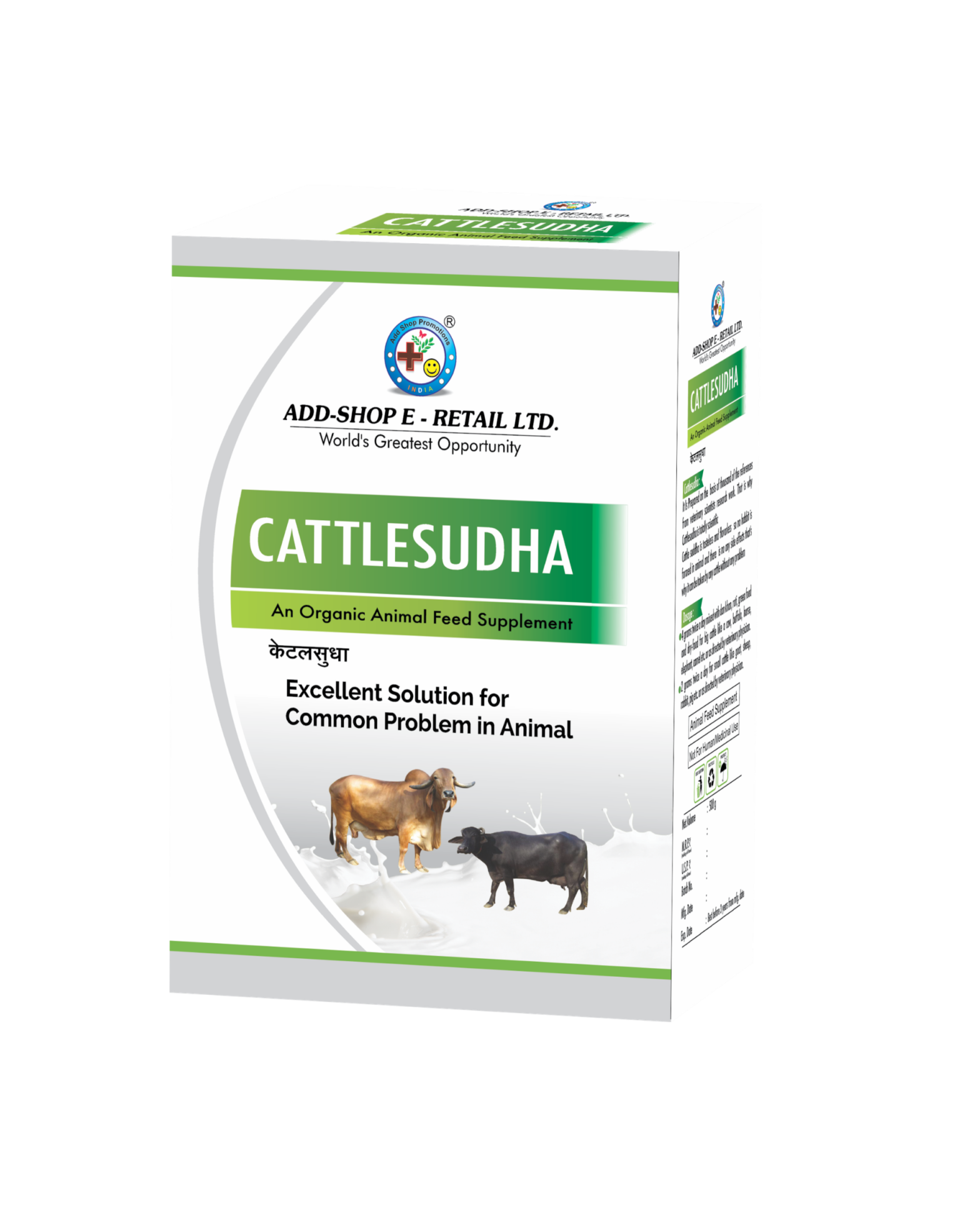
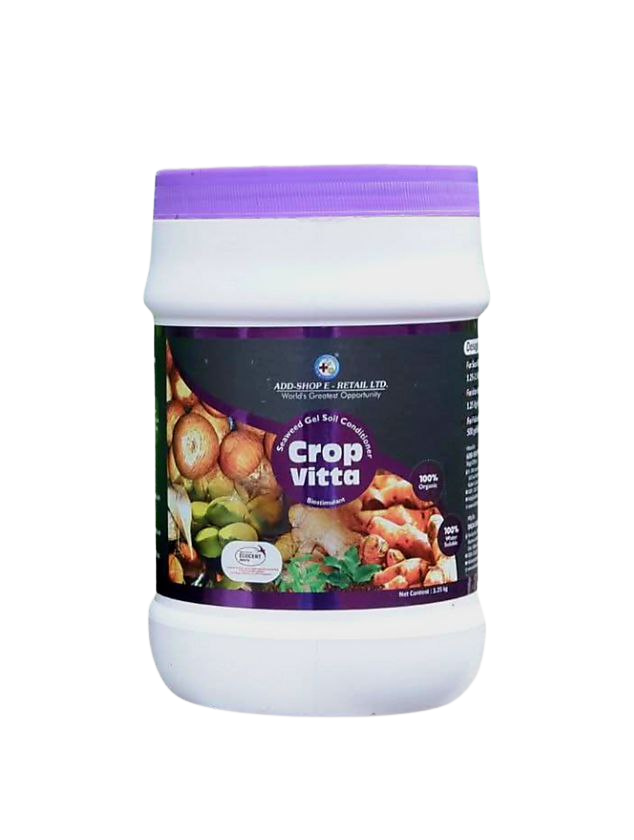
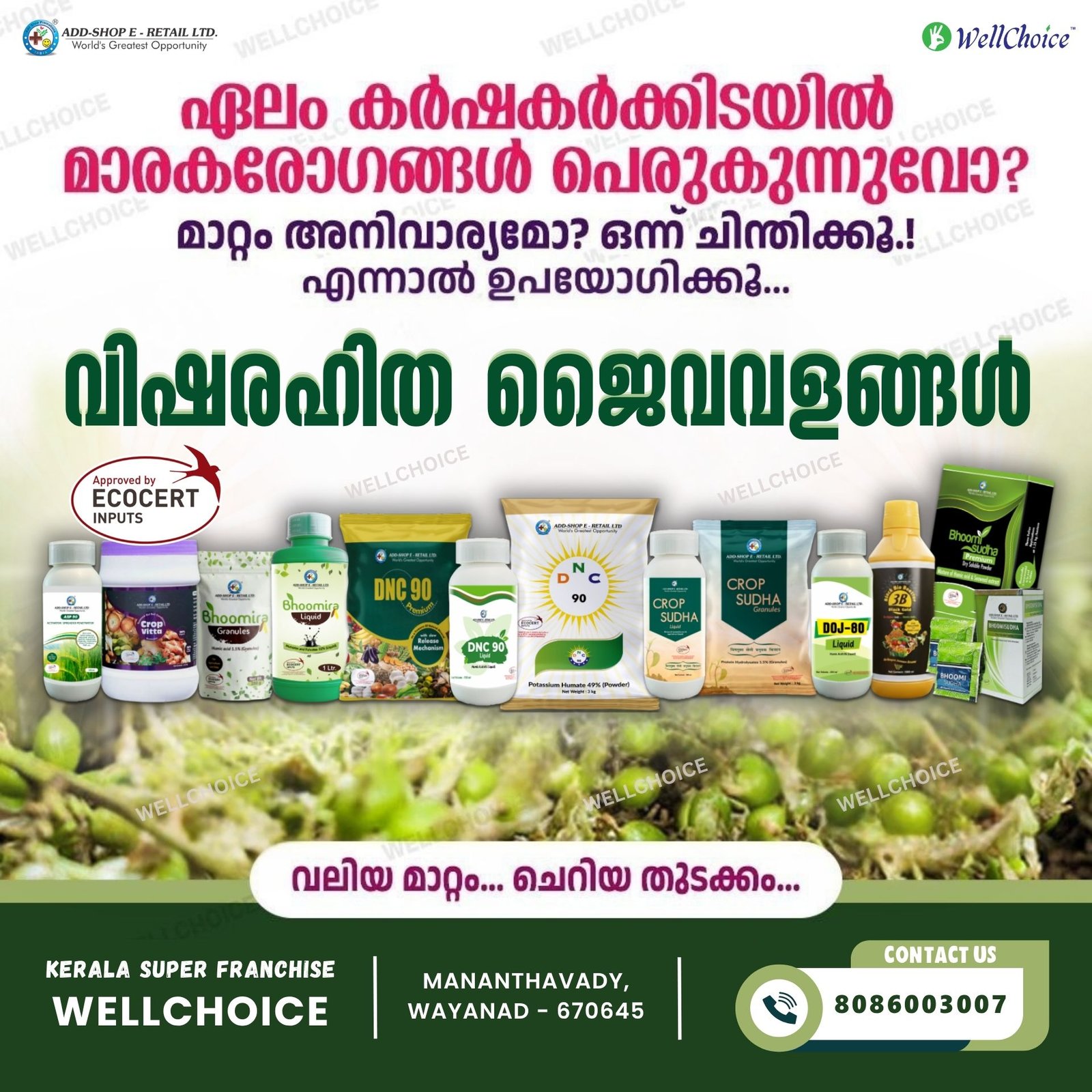
We are the Authorized Kerala Super Franchise for ADDSHOP E-RETAIL LTD. | DADA ORGANICS LTD. We are currently Distributing cost-effective, Advanced Organic Fertilizers throughout Kerala, supporting farmers in improving productivity while maintaining soil health and environmental balance. On other hand we actively engage with farming communities across Kerala through Awareness programs, Seminars, and hands-on training sessions .
You can place your order directly with us, and We provide products across India through courier services.
Let’s work together for "“Poison-less Farming, Prosperous Farmers.”

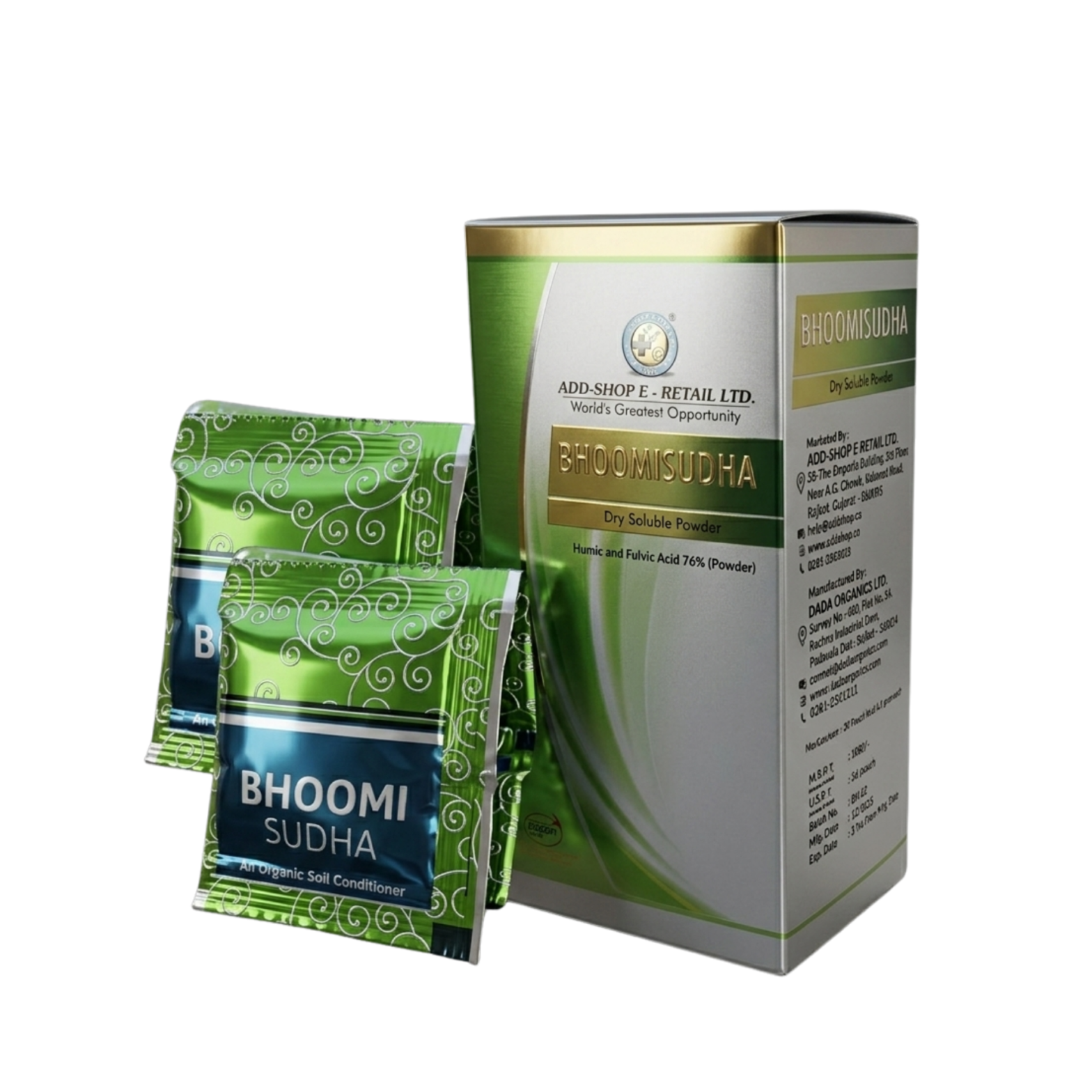
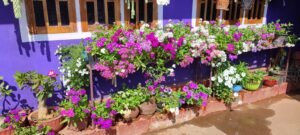
“We cultivate and sell several types of orchid plants through our YouTube promotions. For their growth and flowering, we regularly use WellChoice products, especially Bhoomira and Bhoomisudha. The results have been excellent. These products are very cost-effective, especially when applied through foliar spray, and we typically repeat the application at 15–20 day intervals. WellChoice also provides chelated micronutrients, which are essential in small quantities for healthy growth, better flowering, and improved disease resistance in orchid plants. I highly recommend WellChoice to anyone looking to develop a healthy and beautiful garden.” Sharing few of the photos :


“I have been using WellChoice products for my Coconut and Jathika (Nutmeg) plants for the past 1.5 years, and the results have been excellent. The plants are now healthy, and the leaves are lush green. Earlier, the coconut leaves used to be yellowish in color, but after using these products, there has been a clear improvement. I continue to use their products regularly at six-month intervals and am very satisfied with the results. I recommend WellChoice products for all types of perennial crops.” Sharing few of the photos :
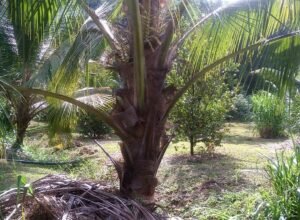
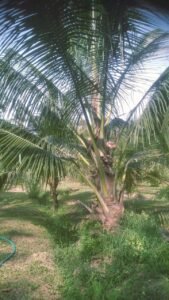
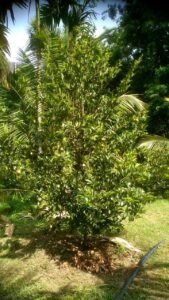

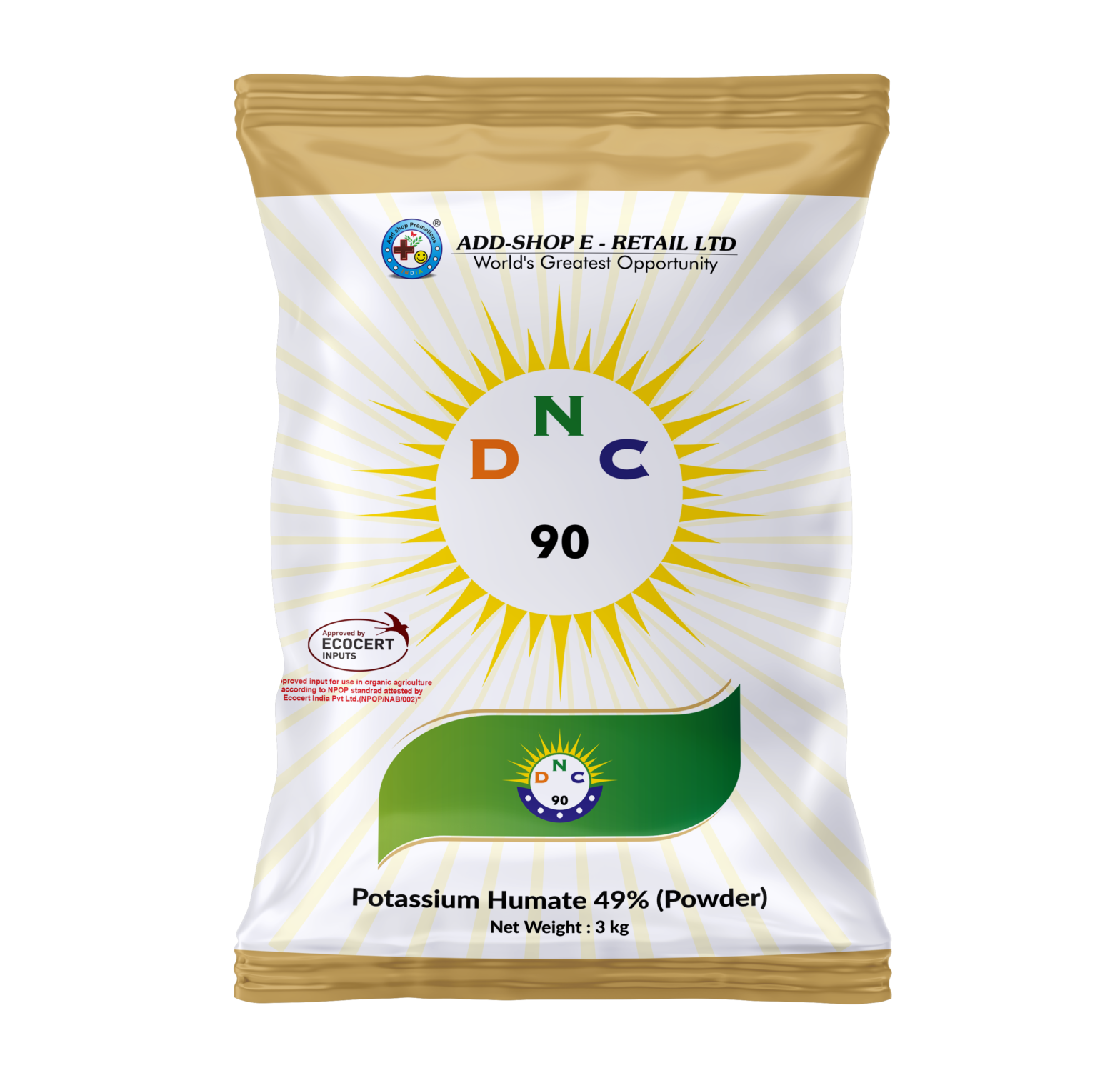
“I applied DNC 90 Premium and Cropsudha Granules, organic fertilizers supplied by WellChoice, to my coconut (Gangabondam) plants along with other organic manure.”
“I am happy to share that around eight coconut seedlings have now come into bearing. I am very satisfied with the results of the Product supplied my WellChoice Mananthavady.” – P. Surendran, Keezhariyur
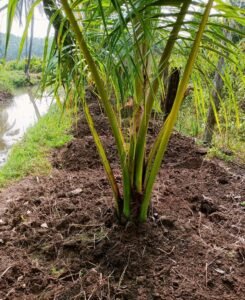
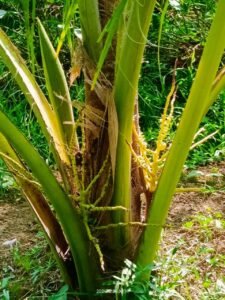

“I recently came to know that WellChoice offers a wide range of excellent agricultural products suitable for drenching, drip irrigation, and foliar application in organic farming. Their product range effectively covers key areas such as soil conditioning, plant growth promotion, and flowering enhancement. They also provide micronutrients, organic pest protectors, and organic fungicides, making it a complete solution for farmers. The products are economical, easy to use due to their compact size, and have a long shelf life of up to three years, which is especially beneficial for those using smaller quantities. I have recently started using their products for my coconut plantation and look forward to the results.”

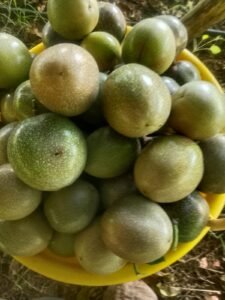
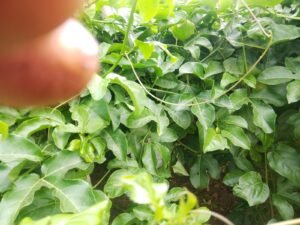
“I have been using products from WellChoice for my passion fruit cultivation, and the results have been excellent. The plants are healthy, with larger leaves and fruits than expected. I harvested around 600 kg of passion fruit from just 250 plants within a span of 8 days. Buyers came all the way from Ambalavayal (Wayanad) to collect the produce directly from my farm. The quality was outstanding—only 14 kg was graded as second quality, while the rest was first grade. I have also applied these fertilizers to my Kovakka (ivy gourd), and the results there were equally impressive. I am very satisfied with the performance of fertilizers from WellChoice Mananthavady and strongly recommend them for cultivation.”

“I purchased an organic manure called DNC 90 from WellChoice Mananthavady and applied it to all my cardamom plants twice, at an interval of four months, to evaluate the results. The outcome was extraordinary. The number of fine roots, tillers (ചിമ്പ്), and panicles (ശരം) increased significantly. At the same time, the tillers became thicker, stronger, and healthier. This clearly shows that DNC 90 provides the essential nutrients required for the growth of cardamom. WellChoice also offers a range of organic fertilizers suitable for different stages of cardamom cultivation. I am very satisfied with the results.”
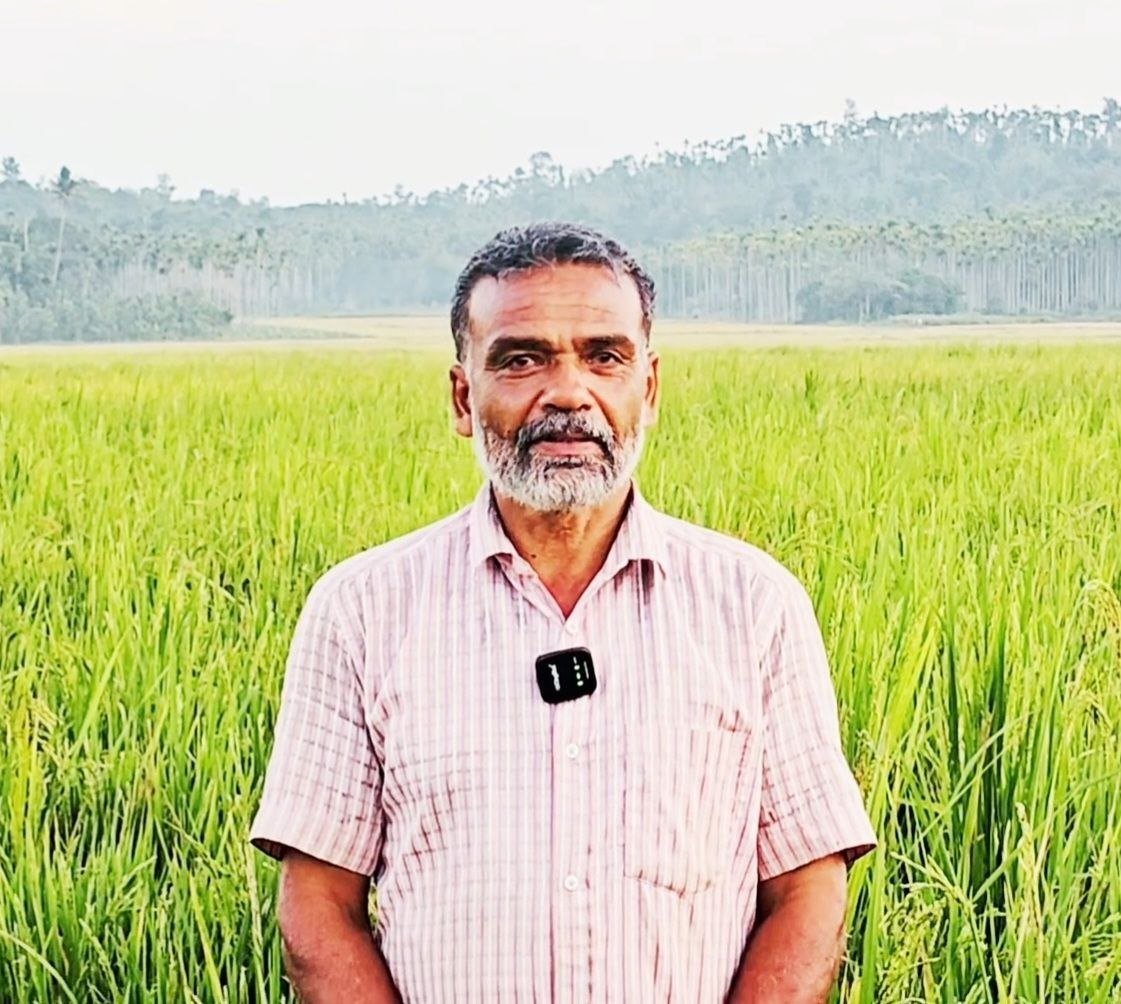
“I used organic fertilizers supplied by WellChoice—namely DNC 90, Bhoomira Granules (applied through drenching), and Bhoomisudha (used as a foliar spray)—for my 3-acre paddy field. Due to heavy rains, I was able to apply the fertilizers only twice. Despite this, I achieved better results compared to neighboring farmers who applied chemical fertilizers three times. Additionally, the overall cost of fertilizers was lower compared to chemical inputs. I am very satisfied with the results and highly recommend WellChoice products from Mananthavady.”
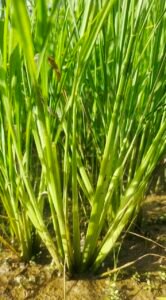
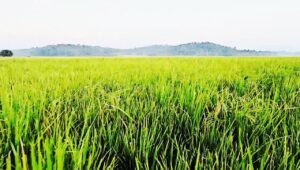

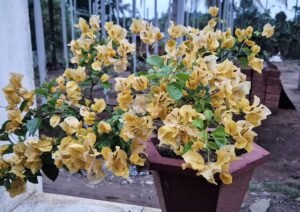
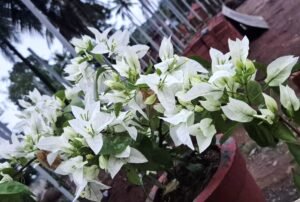
“I purchased a product named Bhoomisudha from WellChoice through courier a few months ago, and I am very satisfied with the results. It is an excellent product. After using it, I noticed significant improvement in my plants—the growth and overall health were amazing. Even in the hot climate here, the results were impressive. I confidently recommend Bhoomisudha to anyone seeking improved plant performance. See the result I have received after using it.”
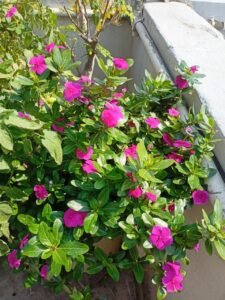
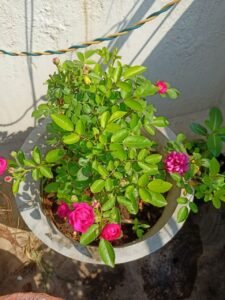
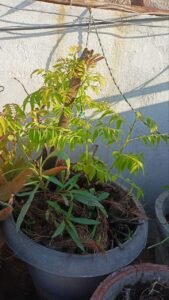

“Using organic fertilizers has been a sustainable and environmentally friendly way to nourish my plants. It has significantly improved soil health and fertility while minimizing harm to the environment. I especially appreciate the slow and steady release of nutrients, which supports healthy plant growth and avoids over-fertilization.” I would like to thank<b>Shibin</b> for introducing such effective products. I am truly happy with the results—they have exceeded my expectations.